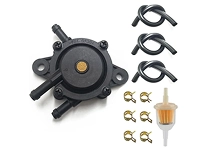
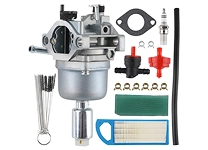
Replacement Fuel System Components and Types
Automotive replacement fuel system equipment covers the parts that store, filter, deliver, and meter fuel to an engine. Common replacement items include fuel pumps, pump assemblies, injectors, pressure regulators, fuel filters, sending units, filler necks, hoses, and fuel tank components. Some vehicles use a return-style system, while others rely on returnless fuel delivery; diesel engines and gasoline direct-injection systems also require components designed for their specific operating pressures. When browsing parts, distinguish individual components from complete modules, which may combine a pump, strainer, level sensor, and housing. Ubuy can help shoppers discover international fuel system products across these component types. Start with the vehicle's year, make, model, engine, and fuel type, then compare part numbers and fitment details before choosing a replacement.
- Pumps, injectors, filters, regulators, and tank parts
- System designs vary by engine and fuel type
- Confirm fitment and part numbers
Fuel Pumps, Injectors, and Delivery Performance
The fuel pump moves fuel from the tank toward the engine, while injectors meter and atomize it for combustion. Port fuel injection, gasoline direct injection, and diesel common-rail systems use different injectors and pressure requirements, so parts are not interchangeable simply because they look similar. Pump specifications such as flow rate, pressure range, electrical connector, and mounting style matter when matching a replacement. An assembly may include a pump motor, pickup strainer, sender, and wiring connector; a standalone pump may require transferring compatible components from the original unit. Look for application-specific listings and check whether seals or installation hardware are included. Bosch, Denso, Delphi, and ACDelco are established names associated with automotive fuel components, but compatibility should be verified for each product and vehicle.
- Match pump pressure and flow specifications
- Identify the injection system before buying
- Check module contents and connector style
Fuel Filters, Pressure Regulators, and System Protection
Fuel filters trap particles that can restrict flow or damage precision injectors and pumps. Depending on the vehicle, filtration may be built into the tank module, installed along the fuel line, or provided at more than one point in the system. Replacement intervals and service access vary, so consult vehicle-specific maintenance information rather than assuming every filter is externally serviceable. A fuel pressure regulator helps maintain the pressure required by the engine management system; some designs are integrated into the pump module or fuel rail. When comparing these parts, check the connection type, pressure rating, flow direction, and whether the component is intended for gasoline or diesel. Ubuy offers a place to explore international replacement fuel system equipment, but buyers should confirm specifications against the original part and vehicle documentation.
- Choose the correct filter location and design
- Compare regulator pressure specifications
- Use fuel-type-compatible components
Materials, Fitment, and Fuel Compatibility
Fuel system parts must suit the vehicle's layout and the fuel they encounter. Seals, hoses, connectors, and tank materials need appropriate resistance to gasoline, diesel, and any approved fuel blend specified for the vehicle. A hose that fits physically may still be unsuitable if its material or pressure rating does not meet the application. Compare OEM or cross-reference numbers, dimensions, electrical terminals, mounting points, and line connections, and pay attention to engine code and production variations. For older vehicles, confirm whether the system has been modified before ordering parts based only on model name. Product descriptions may use terms such as in-tank pump, fuel sender, rail-mounted regulator, or quick-connect fitting; understanding these terms makes comparisons clearer. Select components designed for the intended application rather than relying on appearance alone.
- Check fuel and material compatibility
- Compare OEM numbers and connection details
- Account for engine and production variations
Diagnostics, Installation, and Ongoing Maintenance
Symptoms such as hard starting, stalling, weak acceleration, or irregular fuel pressure can have several causes, so diagnosis should precede replacement. A qualified technician may inspect electrical supply, scan for relevant fault codes, and test fuel pressure or volume using the correct procedure. Before purchasing, determine whether the issue points to a pump, filter, injector, regulator, wiring connection, or another engine system. Installation can involve fuel pressure relief, access to the tank, new seals, and careful handling of flammable liquid; follow vehicle service information and appropriate safety practices. Keep connectors clean, route lines away from heat and moving parts, and replace specified seals rather than reusing damaged ones. Ubuy can support product discovery, while exact fitment, installation requirements, and maintenance guidance should be checked for the selected part and vehicle.
- Diagnose before replacing components
- Follow service procedures and fuel safety guidance
- Inspect seals, wiring, and line routing
Select the Right automotive replacement fuel system equipment
A confident purchase begins with precise vehicle details and a clear diagnosis. Record the year, make, model, engine size or code, fuel type, and—where relevant—production date or VIN-based fitment information. Identify whether you need a complete fuel pump module or an individual pump, injector, filter, regulator, sender, hose, or connector. Compare the replacement's part number, pressure and flow ratings, dimensions, electrical plug, included accessories, and stated application. Consider whether installation requires a new strainer, gasket, retaining ring, or other service parts, and review the product information for any limitations. Established manufacturers such as Carter may appear alongside Bosch, Denso, Delphi, or ACDelco in this category; the right choice still depends on verified vehicle compatibility. Careful matching helps narrow options for repairs, restoration, and routine maintenance.
- Gather complete vehicle and engine details
- Match specifications, part numbers, and accessories
- Verify application before placing an order