Automotive Replacement Parts for Everyday Repairs
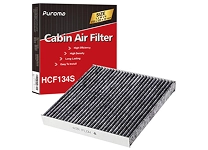
Automotive replacement parts help restore a vehicle's function when components wear out, become damaged, or no longer perform as intended. The category spans routine service items such as oil, air, and cabin filters, spark plugs, belts, wiper blades, and batteries, as well as larger repair components. Drivers and repair professionals may also shop for brake pads, rotors, suspension parts, headlights, mirrors, hoses, and engine components. Choosing parts that match the vehicle and the repair task can support safe, reliable operation and help prevent avoidable installation issues. Some shoppers replace a single failed component; others gather related items for scheduled maintenance. Ubuy offers a place to discover international automotive products, with product descriptions and fitment details helping shoppers assess options before making a selection.
- Parts for maintenance, repairs, and restoration
- Options for many vehicle systems
- Check fitment before ordering
Explore Parts by Vehicle System
Browsing by system makes it easier to narrow a broad parts search. Engine and fuel-system items include filters, ignition coils, injectors, sensors, and gaskets. Brake components commonly include pads, rotors, calipers, and brake hardware, while steering and suspension selections may feature control arms, tie rods, shocks, and struts. Electrical and lighting parts range from alternators and starter motors to bulbs, switches, and wiring components. Cooling, exhaust, transmission, and climate-control parts address other repair needs, and exterior or interior replacements can include bumpers, trim, handles, and seat accessories. Product terminology varies by vehicle design, so compare the component's stated function and location with the repair requirement. A mechanic's diagnosis or the vehicle service manual can help identify the correct system and part.
- Shop by engine, brake, or electrical system
- Find suspension, cooling, and exhaust parts
- Compare interior and exterior components
Fitment, Compatibility, and Part Numbers
Compatibility is a central consideration when buying automotive replacement parts. A component may fit only specific makes, models, model years, engine sizes, trim levels, or production configurations. Check the vehicle identification details requested by the listing, and compare them with the owner's manual, service information, or the original part. Matching an OEM or manufacturer part number can help distinguish similar-looking components, but verify any listed cross-reference rather than relying on appearance alone. Also note whether the item is designed for the front or rear, left or right side, and a particular drivetrain or body style. For electronics, connector type and software or sensor requirements may matter. Review all fitment notes before purchase, and ask a qualified technician when the vehicle's configuration or repair diagnosis is uncertain.
- Verify year, make, model, and engine
- Match position, connector, and part number
- Confirm fitment notes before purchase
Materials, Quality, and Performance Features
Construction and design details can influence how a replacement part suits a vehicle and its driving conditions. Brake components may use different friction materials, while filters vary in media and construction. Belts, hoses, and seals rely on materials suited to heat, pressure, or contact with automotive fluids. In suspension and steering parts, compare mounting design, included hardware, and whether the component is sold individually or as an assembly. Electrical parts should be checked for voltage, connector layout, and stated vehicle application. Some products are intended as direct replacements; others are performance-oriented or designed for a specific use, so confirm that their specifications align with the vehicle and repair plan. Brands such as Bosch, Denso, ACDelco, and Monroe are familiar names in automotive parts, but compare the actual product details and fitment for each listing.
- Review materials and stated specifications
- Check included hardware and assembly details
- Compare brands by product and application
Installation, Accessories, and Ongoing Care
A successful repair depends on more than the main component. Installation may require clips, fasteners, gaskets, sensors, mounting brackets, or a related service kit; check whether these items are included or need to be purchased separately. Some jobs also call for specialized tools, fresh fluids, or replacement parts that should be changed together, as directed by service guidance. Keep maintenance records and follow the vehicle maker's service schedule for inspections and consumables. After installation, pay attention to warning lights, unusual sounds, leaks, or changes in braking and handling, and seek professional assessment if a problem remains. For complex work involving airbags, high-voltage systems, fuel, or brakes, appropriate training and safety procedures are important. Ubuy can help shoppers discover international automotive products and review available product information while comparing components and accessories.
- Check whether installation hardware is included
- Follow service guidance and maintenance intervals
- Use qualified help for complex repairs
Select the Right automotive replacement parts
Start with the repair diagnosis, then identify the exact vehicle configuration and the component's position or specification. Compare product listings for fitment, part numbers, dimensions, connector details, materials, and included accessories. Consider whether you need an original-style replacement, a complete assembly, or a component intended for a particular driving use. Read installation requirements and confirm whether additional hardware, tools, or fluids are needed before placing an order. For safety-critical parts, prioritize correct application and qualified installation over choosing by appearance alone. When several options appear suitable, use the vehicle manual or a trusted technician to resolve uncertainty. Ubuy provides a platform for discovering international automotive replacement parts; carefully reviewing each listing can help you compare relevant details and make a considered purchase for maintenance, repair, or restoration.
- Begin with diagnosis and vehicle details
- Compare specifications, fitment, and accessories
- Choose based on the repair and intended use