Automotive Fuel Pump Replacement Parts and Accessories
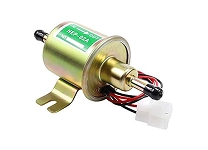
A replacement fuel pump moves fuel from the tank to the engine at the pressure and flow rate required by the vehicle's fuel system. This category includes complete pump assemblies, standalone pump modules, in-tank and external pumps, and related components used when repairing or maintaining fuel delivery. Depending on the vehicle, an assembly may include a sender unit, strainer, float, wiring connector, seals, or mounting hardware. Accessories such as fuel filters, relays, hoses, clamps, and electrical connectors can also support a repair when they match the system and application. Before comparing products, identify whether the vehicle uses fuel injection or a carburetor and whether its pump is electric or mechanical. Ubuy provides a place to discover automotive replacement fuel pumps and related products from international sources.
- Fuel pumps and complete assemblies
- Related fuel-system components
- Options for varied vehicle applications
Pump Types, Configurations, and Components
In-tank electric pumps are common in modern fuel-injected vehicles, where the pump sits inside the fuel tank and may be supplied as a module with a level sender and strainer. An external electric pump mounts outside the tank and is used in certain vehicle designs or specialist applications. Mechanical pumps, typically found on some older carbureted engines, operate differently and must suit the engine and mounting arrangement. A pump module can simplify replacement when several internal parts show wear, while a standalone pump may be appropriate when the remaining assembly is serviceable and the replacement is compatible. Brands such as Bosch, Delphi, Denso, ACDelco, and Carter are recognized in fuel-system components; verify the specific product's application rather than relying on brand alone. Check whether seals, filters, wiring, or connectors are included.
- In-tank and external electric pumps
- Mechanical pumps for applicable systems
- Modules may bundle sender components
Vehicle Fitment and Compatibility Checks
Correct fitment depends on more than a vehicle's make and model. Confirm model year, engine size or code, fuel type, trim, and any relevant production or chassis details using the vehicle identification number where available. Compare the original pump's part number and connector shape, mounting points, outlet orientation, and module dimensions with the replacement listing. Fuel pressure and flow requirements must match the engine and fuel-injection system; a physically similar pump is not necessarily a suitable substitute. Also check whether the vehicle uses a return-style or returnless fuel system and whether the sender unit is compatible with its fuel-level gauge. For modified vehicles, confirm that the pump supports the engine's actual requirements and associated components. If fitment information is unclear, consult a qualified parts specialist or technician before ordering.
- Match year, engine, and fuel system
- Compare part numbers and connectors
- Verify pressure, flow, and module fit
Performance Features and Useful Accessories
When comparing replacement pumps, consider specified operating pressure, flow capacity, voltage, connector design, noise characteristics, and resistance to fuel exposure. These details should align with the original equipment or a documented vehicle requirement; choosing a higher-capacity pump without checking the complete system may not improve performance. A pump strainer helps screen debris at the intake, while an inline or in-tank fuel filter provides additional filtration as designed for the vehicle. Relays, fuses, wiring pigtails, clamps, hoses, gaskets, and O-rings may be relevant during a repair, but each must be rated and sized for its position in the fuel system. Some assemblies include a fuel-level sending unit, whereas others require reuse or separate purchase. On Ubuy, shoppers can explore product descriptions and compare available pump and accessory types before deciding what fits their repair.
- Check pressure and flow specifications
- Consider filters, strainers, and seals
- Confirm accessory ratings and dimensions
Installation, Maintenance, and Fuel-System Safety
Fuel-pump replacement involves flammable fuel, electrical connections, and system pressure, so installation should follow the vehicle's service procedure. Work requires appropriate ventilation, ignition-source control, and safe handling of fuel; do not rely on a general product listing as a substitute for a repair manual or professional guidance. Inspect the tank, wiring, connectors, hoses, and filter for contamination, corrosion, damage, or wear before fitting a new pump. Use compatible seals and secure connections to help prevent leaks, and restore the fuel system as specified by the manufacturer. Symptoms such as hard starting, stalling, loss of power, or unusual pump noise can have causes beyond the pump, so diagnosis should check fuel pressure and electrical supply before parts are replaced. Routine attention to fuel quality and scheduled filter service, where applicable, can help protect fuel-delivery components.
- Follow vehicle-specific service procedures
- Inspect wiring, tank, hoses, and filters
- Diagnose symptoms before replacement
Select the Right automotive replacement fuel pumps accessories
Start with verified vehicle details and the original equipment part number, then narrow the choices by pump style, assembly contents, pressure, flow, and connector configuration. Decide whether you need a complete fuel pump module or a standalone pump, and identify any related filters, seals, strainers, or electrical parts required for the repair. Compare product specifications with the vehicle's service information instead of selecting by appearance or price alone. Check listing notes for engine and production variations, and seek expert confirmation if the vehicle has been modified or fitment remains uncertain. Ubuy can help shoppers discover international automotive replacement fuel pumps and accessories across product types, but the buyer should confirm suitability for the specific vehicle before purchase. A well-matched part, correctly installed and checked for leaks, supports dependable fuel delivery and a more informed repair decision.
- Verify application before purchase
- Choose the right pump and assembly
- Confirm included parts and specifications