Automotive Starter Parts and Their Role
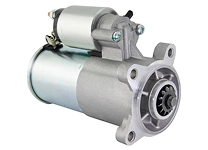
An automotive starter converts electrical energy from the battery into the mechanical force needed to turn an engine during startup. When the ignition switch or start button is activated, the starter motor engages the engine's flywheel or flexplate, helping begin combustion. Replacement starters are commonly sold as complete assemblies, while related starter parts can include solenoids, drive gears, brushes, armatures, mounting hardware, and electrical connections. The right choice depends on the vehicle's engine, electrical system, and original equipment specifications. Symptoms such as a clicking sound, slow cranking, or no response can point to a starter issue, but battery, wiring, and charging-system faults may produce similar signs. Understanding how the components work together helps narrow a search and choose a suitable replacement.
- Turns the engine during startup
- Available as complete units or individual components
- Electrical or battery faults can resemble starter failure
Starter Motors, Solenoids, and Related Components
A starter assembly typically combines an electric motor, a solenoid, and a pinion drive. The solenoid acts as an electrical switch and moves the drive gear into engagement, while the motor supplies cranking force. The pinion gear meshes with the flywheel or flexplate ring gear, then disengages once the engine starts. Replacement options may include new, remanufactured, or component-level parts, depending on the vehicle and repair needs. Related items include starter relays, cables, terminals, and mounting bolts; these should be checked when diagnosing intermittent operation or excessive resistance. Compare connector locations, gear teeth, housing shape, and mounting points before ordering. Ubuy can help shoppers discover automotive replacement starters parts and related international products from different makers, with specifications that can be reviewed against a vehicle's requirements.
- Solenoids switch current and engage the drive
- Check pinion and mounting details
- Consider relays, cables, and terminals during diagnosis
Vehicle Fitment and Compatibility Checks
Accurate fitment is essential because starters vary by make, model, model year, engine size, fuel type, and transmission configuration. Use the vehicle identification number or manufacturer fitment data where available, and confirm the engine code rather than relying on a model name alone. Compare the original starter's part number, voltage, rotation direction, mounting pattern, nose housing, and electrical terminal layout with the replacement listing. Cranking output and gear specifications also need to suit the engine and ring gear. Some vehicles use different starter assemblies across trim levels or production runs, even when the vehicles appear similar. Check whether the listing includes mounting hardware or requires existing components to be reused. Careful compatibility checks reduce the chance of ordering a unit that cannot mount, connect, or engage correctly.
- Match year, engine, and transmission details
- Verify part number and mounting pattern
- Check voltage, rotation, and terminal layout
Starter Performance, Construction, and Features
Starter performance is influenced by motor design, electrical capacity, gear ratio, and the condition of the vehicle's battery and cables. Direct-drive starters use a straightforward motor-to-gear arrangement, while gear-reduction designs use gearing to deliver strong cranking force in a compact assembly. Housing materials, winding quality, brush construction, and solenoid design can affect durability and operation. When comparing replacement units, prioritize exact fitment and appropriate specifications over broad claims about power or performance. Consider whether a complete starter is more practical than replacing an individual solenoid or drive component, especially when wear may affect multiple parts. Manufacturers such as Bosch, Denso, Valeo, and Delphi are recognized in automotive electrical systems; always verify the specific product's application and technical details rather than assuming brand alone establishes compatibility.
- Gear-reduction designs offer compact cranking arrangements
- Construction and electrical specifications matter
- Compare application details, not brand alone
Installation, Diagnosis, and Starter Care
Before replacing a starter, inspect the battery charge, cable condition, ground connections, and starter relay, since poor connections can limit current and mimic motor failure. A qualified diagnosis can help distinguish a worn starter from faults elsewhere in the starting or charging system. Installation generally involves isolating the battery, accessing the starter, disconnecting wiring, removing mounting fasteners, and fitting the correct replacement, but access and procedures vary by vehicle. Follow the vehicle service information, use suitable tools, and observe electrical and lifting safety practices. After installation, check that connections are secure and listen for normal engagement without grinding or prolonged cranking. Ubuy provides a place to explore international automotive starter parts and compare product details; confirm fitment and installation requirements before purchase. Routine attention to battery terminals and cables can help support dependable starting.
- Test battery and connections before replacement
- Follow vehicle-specific service procedures
- Check for secure connections and normal engagement
Select the Right automotive replacement starters parts
Start your selection with the vehicle's exact year, make, model, engine, and transmission, then cross-check the original equipment or replacement part number. Decide whether the repair calls for a complete starter assembly or a specific component such as a solenoid, pinion drive, relay, or cable. Compare voltage, cranking specifications, gear teeth, rotation, mounting dimensions, and connector placement with the part being replaced. Review product descriptions carefully to see what is included and whether additional hardware may be needed. If symptoms are uncertain, diagnose the battery, wiring, and charging system before buying parts. For installation, consider access, service instructions, and the tools required for the vehicle. A compatibility-first approach helps shoppers compare automotive starter motors and related components with greater confidence and select a practical part for the repair.
- Confirm vehicle and part-number fitment
- Choose an assembly or component based on diagnosis
- Review included parts and installation needs