Replacement Parts for Small Kitchen Appliances
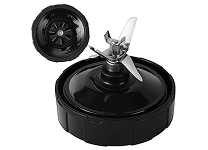
Small kitchen appliance parts help restore everyday equipment when a component wears out, goes missing, or becomes damaged. Common replacements include blender jars and lids, food processor bowls and blades, mixer beaters, coffee maker carafes and filters, toaster trays, kettle filters, and seals for pressure cookers or multi-cookers. Some parts support basic operation, while others affect capacity, food contact, or how an appliance performs. Before replacing a component, identify the appliance type, brand, model number, and part name; similar-looking pieces may differ in shape, attachment points, or electrical specifications. Brands such as KitchenAid, Cuisinart, Breville, and Hamilton Beach make appliances with model-specific components, so verify fit rather than relying on appearance alone. Choosing the right replacement can help keep familiar appliances useful and reduce the need to replace the entire unit.
- Find replacement jars, blades, filters, seals, and trays
- Check the model number before ordering
- Match parts to the appliance's intended use
Accessories That Expand Everyday Appliance Use
Accessories can add functions or convenience without changing the main appliance. Food processor attachments may include slicing discs, shredding blades, dough tools, and storage cases; stand mixer accessories can include extra bowls, whisks, dough hooks, and paddle attachments. Coffee preparation accessories range from reusable filters and milk frothing tools to tampers and descaling supplies, while air fryer and toaster oven add-ons may include racks, baskets, and baking pans. Consider how often an accessory will be used, how it attaches, and whether it is designed for the appliance's capacity and operating method. Ninja, Breville, and other established brands offer products across several appliance types, but compatibility can vary within a brand. Ubuy provides a place to discover international small kitchen appliance parts and accessories; review product details carefully to compare intended appliance use and included components.
- Explore attachments for prep, mixing, brewing, and cooking
- Compare capacity and attachment method
- Check what is included in each product
Check Appliance Compatibility Before Buying
Compatibility is one of the most important considerations when shopping for replacement parts and add-ons. Start with the model or series number, commonly printed on a rating label, appliance base, or product documentation. Then compare the part description, dimensions, connection style, and stated compatible models. A blade assembly, gasket, or carafe may fit only certain generations, even when the appliances share a brand name or similar design. For electrical accessories, check the appliance's specifications and the component's stated requirements; do not assume that a visually similar part is suitable. Keep the original part nearby when comparing measurements, but use manufacturer model information as the primary reference. Ubuy can help shoppers discover a range of international product options, while clear model matching and careful listing checks remain essential to selecting a suitable component.
- Locate the exact model or series number
- Compare dimensions and connection points
- Confirm compatibility in product details
Materials, Features, and Performance Details
Materials and construction influence an accessory's durability, handling, and suitability for food preparation. Stainless steel is common in blades, whisks, and cutting discs, while glass and food-contact plastics appear in jars, bowls, and lids. Silicone seals and gaskets help create a close fit in compatible appliances, and removable trays may use coated metal or stainless steel. Look for practical details such as dishwasher-safe components, heat resistance, capacity, grip, and whether a part is removable for cleaning. These features should be interpreted according to the product's stated instructions, since care and temperature limits vary. For motorized parts, check the intended appliance and function rather than assuming that a higher-powered or differently shaped component will improve performance. Clear product specifications make it easier to compare accessories based on real kitchen needs and routine use.
- Compare construction and food-contact materials
- Review heat and cleaning guidance
- Match performance features to your routine
Care, Maintenance, and Common Use Cases
Regular care can help small appliance parts remain clean and ready for use. Remove detachable components only as directed, wash them according to their care instructions, and dry them thoroughly before storage. Check blades, seals, filters, and cords for visible wear, and replace damaged parts with compatible components rather than continuing to use them. Coffee makers may need suitable descaling products, while food processors and blenders benefit from prompt cleaning around lids, seals, and blade assemblies. Store sharp attachments safely and keep small accessories together so the correct pieces are easy to find. For a part that seems loose, noisy, or difficult to attach, stop using the appliance and consult its instructions before troubleshooting. Routine maintenance products and replacement accessories can support cooking, baking, beverage preparation, and meal prep across a busy household.
- Follow appliance-specific cleaning instructions
- Inspect wear-prone parts regularly
- Store blades and attachments safely
Select the Right small kitchen appliance parts accessories
Choose parts and accessories by working from the appliance outward: confirm the brand and model, identify the exact component, and check its listed compatibility. Next, consider the task it needs to perform, such as chopping, kneading, brewing, blending, or air frying, then compare capacity, material, attachment style, and care requirements. If replacing a worn part, use product descriptions and measurements to distinguish it from similar components; if adding an accessory, make sure the appliance supports that function. Review what the package includes and whether any companion pieces are needed for normal use. A short checklist can prevent mismatches: model number, intended appliance, dimensions or connection, material, and maintenance guidance. With those details in hand, shoppers can compare small kitchen appliance parts and accessories more confidently and choose options suited to their kitchen routine.
- Start with appliance model and exact part name
- Compare function, fit, materials, and care
- Check package contents before purchase