Industrial 3D Printing Materials and Filaments
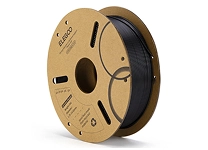
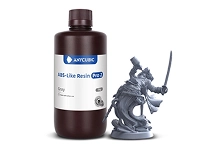
Material choice affects part strength, surface finish, dimensional stability, and production workflow. Industrial 3D printing supplies include thermoplastic filaments such as ABS, nylon, polycarbonate, and TPU; resin formulations for vat photopolymerization; and powders such as nylon or metal alloys for powder-bed processes. Some systems also use composite materials reinforced with carbon fiber or glass fiber, while pellet-fed printers use larger-volume polymer feedstock. Match the material to the printer's process and the part's operating conditions, including heat, impact, flexibility, chemical exposure, and load. Check recommended storage and drying requirements, since moisture can impair print quality in many polymers. Ubuy can help shoppers discover international products across material types, making it easier to compare feedstock formats and product specifications before choosing.
- Compare filament, resin, powder, and pellet formats
- Match material properties to the part's use
- Check drying, storage, and process requirements
Industrial Printer Parts and Process Consumables
Reliable production depends on more than the primary feedstock. Replacement nozzles, build plates, resin vats, filters, feed tubes, extruder components, and powder-handling tools can support routine operation across different printing technologies. Fused filament fabrication may require hardened nozzles when processing abrasive composites, while resin printers need compatible vats and clean, undamaged build surfaces. Powder-based equipment can use sieves, recoaters, gloves, and cleaning tools suited to the specified material and machine. Consumables are not universally interchangeable: dimensions, connector types, material compatibility, and printer generation can all matter. Brands such as Stratasys, 3D Systems, and UltiMaker are associated with additive manufacturing systems, but buyers should verify the exact machine model and supplier specifications rather than assume a component fits. Keep a record of part numbers and replacement intervals to simplify replenishment.
- Check part numbers and machine model
- Consider nozzles, vats, filters, and cleaning tools
- Use process-compatible replacement components
Material Specifications, Compatibility, and Quality
Product data sheets provide a useful starting point when comparing industrial 3D printing supplies. Review diameter and dimensional tolerance for filament, viscosity and wavelength requirements for resin, or particle size and composition for powder. Also consider tensile strength, elongation, heat deflection, impact resistance, and surface-finish expectations where those properties apply. Printer compatibility includes more than a material's name: temperature range, nozzle design, chamber conditions, platform settings, software profiles, and post-processing equipment may affect results. For specialized applications, confirm whether the stated properties refer to printed parts and which test method was used. Color, packaging size, and lot information can also be relevant for repeat production. Ubuy offers a place to explore international product listings, but compare each listing's stated specifications with the printer manufacturer's guidance and the needs of the finished component.
- Review technical data and test conditions
- Confirm printer, profile, and process compatibility
- Compare dimensions, composition, and packaging
Post-Processing, Finishing, and Safety Supplies
Many printed components need finishing before they are ready for assembly or use. Support-removal tools, sanding and polishing supplies, resin-washing equipment, curing units, bead-blasting media, and adhesives can suit different materials and print processes. Metal and polymer parts may also require machining, heat treatment, dyeing, coating, or other finishing steps, depending on the design and performance target. Choose accessories that are compatible with the material and equipment, and account for the desired surface texture and dimensional tolerances. Personal protective equipment, ventilation provisions, spill-control items, and material-specific waste containers are important considerations when working with resin, powder, solvents, or heated components. Follow the safety documentation supplied for each material and machine. A well-planned finishing workflow can reduce handling errors and help produce more consistent parts without treating every process as interchangeable.
- Select finishing tools for the print process
- Plan for supports, curing, and surface treatment
- Follow material-specific handling guidance
Applications, Storage, and Production Workflow
Industrial additive manufacturing supplies serve prototyping, tooling, fixtures, replacement components, and end-use part production. Flexible polymers can suit parts needing movement or cushioning, engineering thermoplastics can support demanding functional prototypes, and metal powders may be used for complex components when paired with compatible equipment and post-processing. The appropriate choice depends on design geometry, production volume, required tolerances, and the part's service environment. For repeatable output, document material settings, batch details, drying or conditioning steps, and finishing procedures. Store feedstock in packaging and conditions recommended by its manufacturer; keep powders and resins handled according to their safety and contamination controls. Ubuy can help shoppers discover supplies from international listings for different production needs. Before ordering, check package quantity, material form, and whether the required tools or post-processing accessories are separate items.
- Consider prototypes, tooling, and functional parts
- Document settings and material batches
- Check storage and handling recommendations
Select the Right industrial 3d printing supplies
Start by identifying the printer technology, model, and intended production task. Then shortlist the material or consumable by checking compatibility, technical specifications, and the finished part's mechanical and environmental requirements. Compare material format, package size, color, shelf-life guidance, and any required drying, curing, or finishing equipment. If a machine uses proprietary cartridges or validated profiles, confirm those details before selecting alternatives. For production work, consider repeatability, supply planning, and how easily operators can handle and store the product within the established workflow. Formlabs, for example, is associated with resin-based 3D printing, while other manufacturers focus on different systems; brand names alone do not establish compatibility. Ubuy provides a platform for discovering international products, so review listing details carefully and compare them with your equipment documentation before purchase.
- Begin with printer model and process
- Match material properties to the finished part
- Verify listing details and required accessories