How Baby Early Development Activity Toys Support Play
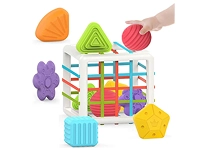
Baby early development activity toys turn everyday play into opportunities to explore movement, senses, and cause and effect. A soft play mat, activity gym, grasping toy, or simple pop-up toy can invite babies to reach, kick, look, listen, and interact at their own pace. Different designs offer contrasting colors, textures, sounds, and shapes, helping keep play engaging as a baby's interests change. These toys are not a substitute for attentive adult interaction; talking, singing, and playing together can make their features more meaningful. Look for options that fit the intended play space, whether that is a floor mat at home or a compact toy for supervised play elsewhere. Ubuy offers a way to discover international selections across this broad category and compare product styles and features.
- Encourages sensory exploration and movement
- Includes toys for varied play spaces
- Supports interactive play with caregivers
Popular Types of Infant Activity and Sensory Toys
The category includes activity gyms with suspended toys, tummy-time mats, soft books, rattles, teething toys, stacking cups, grasping rings, mirrors, and toys with buttons or sliders. Some products combine several activities, while simpler toys focus on one action, such as shaking, squeezing, or turning. Activity centers may offer multiple surfaces and movable elements, so check whether a design suits the available floor space and the way the baby will use it. Portable toys can be useful for changing play settings, while larger mats provide room for reaching and rolling. Brands such as Fisher-Price, Hape, and Manhattan Toy are familiar names in children's play products; compare each individual item's design and care instructions rather than relying on brand alone. Ubuy can help shoppers browse international product types within the category.
- Compare mats, rattles, books, and activity centers
- Consider portable and floor-based designs
- Review features on each individual product
Sensory Features, Materials, and Interactive Details
Activity toys may use high-contrast patterns, varied textures, gentle sounds, reflective surfaces, or movable parts to invite a baby to investigate. Crinkle panels, fabric tags, beads enclosed within a sealed structure, and soft mirrors are examples of features found on some products. Electronic designs may add lights, music, or buttons, so consider whether the controls, volume options, and play modes suit your preferences. Materials can include fabric, silicone, wood, and molded plastic; the product label should identify care guidance and intended use. A simple design can be just as engaging when it encourages a baby to grasp, track, or repeat an action. When browsing on Ubuy, compare product details such as dimensions, included components, materials, and cleaning directions to understand how each toy may fit into a play routine.
- Compare textures, sounds, colors, and movement
- Check materials and care information
- Choose interactive features suited to your preferences
Safety, Cleaning, and Everyday Care
Before choosing a toy, read its age guidance, warnings, and instructions, and use it only as intended with appropriate supervision. Inspect seams, fasteners, cords, small parts, and surfaces regularly; stop using a product if it becomes damaged or develops loose pieces. Keep toys with detachable components away from babies who may mouth objects unless the product is specifically designed for that use and its instructions permit it. Cleaning needs vary: some fabric toys are machine washable, while others require surface cleaning, and electronic parts generally need careful handling. Follow the manufacturer's care directions rather than submerging a toy that contains electronics or batteries. Check that a play mat fits the intended area and remains arranged as instructed. These practical checks help caregivers choose products they can maintain as part of regular play.
- Follow age guidance and product instructions
- Inspect toys for wear or loose components
- Use the specified cleaning method
Choosing Toys for Play Stages and Routines
A baby's changing interests can guide which activity toy feels useful at a particular time. Early play may center on looking, listening, and responding to a caregiver, while later exploration can involve reaching, grasping, tummy time, and manipulating safe objects. Product age ranges are useful starting points, but individual abilities and the manufacturer's directions matter. Consider where supervised play usually happens, how much storage is available, and whether a toy can be cleaned easily between uses. A small set of complementary toys—such as a mat, a soft book, and a graspable rattle—can offer different kinds of interaction without requiring a large activity station. Ubuy lets shoppers explore international product options for different play routines; compare dimensions, included accessories, and setup requirements before deciding what suits your space.
- Use age guidance alongside observed abilities
- Match the toy to play space and storage
- Compare included accessories and setup
Select the Right baby early development activity toys
Start with the kind of play you want to encourage, then compare toys by design, materials, sensory features, size, and care requirements. For a floor-based setup, check the mat's dimensions and whether hanging toys or accessories are included. For a handheld option, consider grip, weight, texture, and how the product is cleaned. For electronic activity toys, review power requirements and controls in the product information. If selecting a gift, a versatile toy with clear age guidance and straightforward care instructions may be easier to match to a household's routine. Read the full listing and manufacturer directions, and consider how the item will be used under adult supervision. Choosing thoughtfully can make a toy more practical for everyday play while giving babies opportunities to explore sounds, textures, movement, and simple actions.
- Compare dimensions, materials, and play features
- Check care, setup, and power requirements
- Choose for intended use and supervised play